
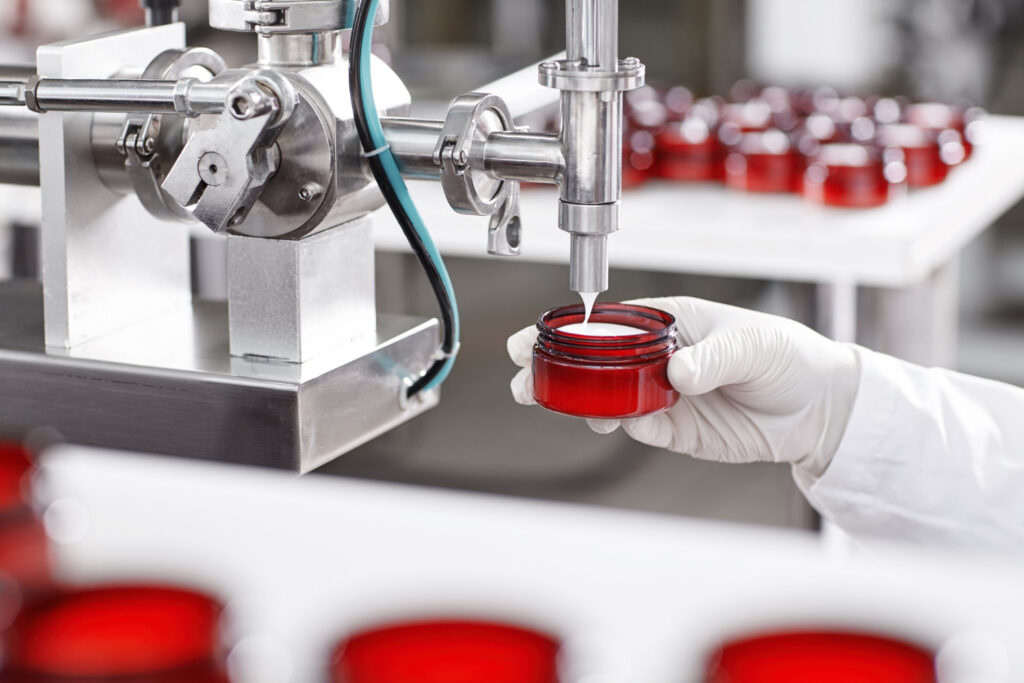
A skincare product brief should explain what product you want to create, who it is for, what it should do, how it should feel, what ingredients or claims matter to your brand, what packaging you are considering, your expected timeline, your budget awareness, and whether you are looking for private label, white label or custom formulation support. A clear brief helps the manufacturer guide the product development process more effectively.
Don’t Start With Ingredients. Start With Intent.
Many product conversations begin with ingredients.
“I want something with vitamin C.”
“I want aloe.”
“I want something natural.”
“I want a serum that feels expensive.”
“I saw this ingredient trending online.”
Those are useful signals. But they are not yet a product brief. A product brief is not just a list of ingredients. It is the starting document that helps translate a skincare idea into something a manufacturer can understand, assess and develop.
At Emulcfy, the brief is not a formality; it is one of the first practical steps in turning a product idea into a workable manufacturing direction. Some clients arrive with a clear product direction. Others arrive with a strong idea but need help turning that idea into a structured development path.
Both are normal. What matters is clarity. Which is why we have developed our very own product realisation form, which we use to formulate the product, helping us guide manufacturing and also assisting our clients in gaining clarity on what will be involved in the formulation and manufacturing of their product.
Because the better the brief, the better the product conversation. So, in this edition, we unpack what a skincare manufacturer needs before formulation starts. To make the process smoother and more efficient.
1. What Is a Skincare Product Brief?
A skincare product brief is a practical document or conversation framework that explains what you want to create and why.
It helps the manufacturer understand:
- The product type
- The intended purpose
- The desired texture and feel
- The ingredient direction
In simple terms:
A product brief turns an idea into a workable development direction. Without a brief, the manufacturer has to guess. And guessing is never good in any product development.
2. Why Does the Product Brief Matter?
The product brief matters because formulation is not done in isolation. A formula needs context. A moisturiser for a premium spa brand is not briefed the same way as a daily family body lotion. A scalp care product is not the same as a conditioner. The brief helps connect the product idea to the customer and the business goal.
It also helps avoid unnecessary delays. When the brief is vague, the development process often creates more back-and-forth. A clear brief does not remove all complexity. But it gives the process direction, making it easier for the manufacturer to advise, quote, develop, and guide the next step.
3. Start With the Product Type
The first thing a manufacturer needs to know is what type of product they want to create. For example:
- Face cream
- Serum
- Cleanser
- Body lotion
This may sound obvious, but many founders start with a broad idea:
“I want a skincare range.”
That is exciting, but it is not specific enough. A range may include several products, each with its own formulation, packaging, pricing, and use-case considerations. If you are not sure where to start, begin with the hero product.
Ask:
What is the first product my customer needs most? That question is often more useful than trying to launch everything at once.
4. Define the Target Customer
One of the most important questions in a product brief is:
Who is this product for?
“Everyone” is not a target customer; it is a dream wearing comfortable shoes. A product for everyone usually becomes a product with no clear direction. There are far more data-driven factors for you to consider when defining your target customer. You could look at:
- Age group
- Skin type
- Hair type
- Lifestyle
Whether the customer prefers a simple, natural-inspired, clinical, luxury or practical product. This helps the manufacturer understand the product experience you are trying to create. This is important to consider because a premium anti-ageing serum for mature skin will have a different product direction from a simple daily moisturiser for young adults. Just as a salon retail product will have different expectations from a supermarket-friendly body lotion. The clearer the customer, the clearer the product.
5. Explain the Product Purpose
Once the customer is clear, explain what the product should do. This does not mean making exaggerated claims. It means defining the product’s role, for example:
- Hydrate
- Cleanse
- Nourish
- Support softness
This matters because the product’s purpose guides formulation decisions. A product that needs to feel rich and nourishing will be developed differently from one that needs to feel light and fast-absorbing. The purpose gives the formulation a job to do.
6. Describe the Texture and Product Experience
Texture is one of the most important parts of skincare. Customers may not understand the formulation behind a product, but they immediately understand how it feels.
- Is it light?
- Rich?
- Creamy?
- Silky?
- Fast-absorbing?
These words help the development team understand the experience you want to create. It’s also very important to note that texture needs to match the product promise. For example, if a brand says the product is a lightweight daily moisturiser, but it feels heavy and greasy, the customer experience becomes confusing.
If a product is positioned as premium but feels thin or ordinary, the brand promise weakens. So do not treat texture as a small detail. In skincare, these so-called “minor details” separate the amateurs from the experts.
7. Be Clear About Ingredients, But Do Not Start and End There
Ingredients matter. They influence the product story, formulation direction, customer perception and sometimes the product’s point of difference. But ingredients are not the whole brief.
A founder might say:
“I want niacinamide, aloe, hyaluronic acid and vitamin C.”
That tells us something. But it does not tell us who the product is for, what the product should do, what packaging will be used, what texture is expected, or what budget and timeline are realistic.
A useful example is Emulcfy’s white label anti-ageing serum, which includes active ingredients such as Vitamin B3 and Aloe Ferox leaf extract. The serum is a white-label product designed with high-performance active ingredients.
Among the high-performance active ingredients is vitamin B3, also known as niacinamide, which is widely recognised in skincare formulations for its multiple functions in skin biology and benefits for fine lines, hyperpigmentation, rough texture, and skin barrier support.
At Emulcfy, active ingredient choices are guided by the product purpose, customer, formulation route and market positioning. The goal is to choose the ingredient that makes sense for the product and the customer. That is where we believe a strong manufacturer adds real value, not just in making a product, but in helping the brand make better product decisions.
8. Why Active Ingredient Guidance Matters
A good active ingredient can support the product story, improve the quality perception of the product and help the brand position itself more clearly.
But active ingredients need to be selected carefully, with the right choice depending on:
- The product type
- The intended user
- The desired product experience
- The formulation base
This is especially important in white label products. White label does not have to mean basic. The quality of a white label product depends on the formulation, ingredient selection, testing and manufacturing process behind it.
At Emulcfy, we understand that the difference lies in the thinking behind the product. Our Team works directly with clients to guide active ingredient choices and help them understand which product direction makes sense for their brand, target customer and market opportunity.
Conclusion: The Better the Brief, the Better the Journey
A skincare product does not begin with a random ingredient list. It begins with intent. The product brief is where that intent becomes clear enough to develop. It gives the manufacturer a way to understand your product, your customer, your brand and your goals.
It does not need to be complicated, but it does need to be thoughtful because the better the brief, the better the conversation. And an easy conversation makes the product development journey better.