
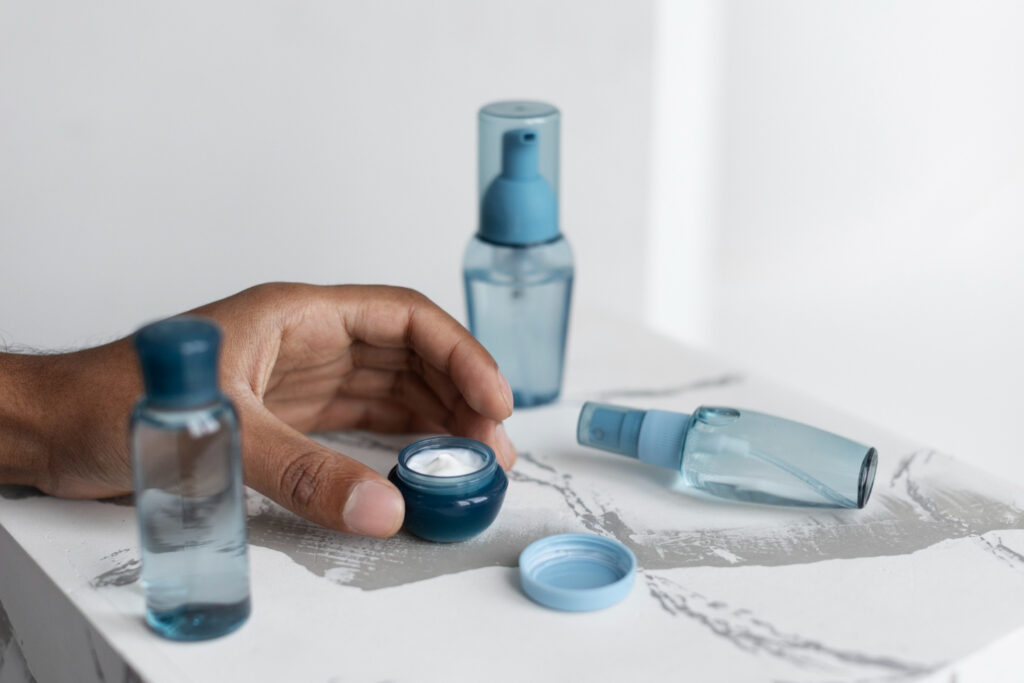
Why Do Skincare Products Need Testing?
Skincare products need testing to assess whether they remain stable, consistent, suitable for their packaging, and appropriate for market use. Testing can help identify issues such as separation, texture changes, colour changes, scent changes, packaging incompatibility, or quality concerns before the product reaches customers. For skincare brands, testing is not just a technical step. It is part of protecting customer trust and brand reputation.
Fast Is Good. Risky Is Not.
Most founders want to move quickly. I understand that. When you have a product idea, you want to see it in a jar, on a shelf, on a website, in a customer’s hand, and preferably selling beautifully by yesterday afternoon. That excitement is a good thing.
It means you believe in the product. But in skincare manufacturing, speed needs to be balanced with responsibility. A product that looks good on day one still needs to behave properly over time. It needs to remain stable. It needs to work with its packaging. It needs to feel consistent. It needs to meet the quality expectations of the customer and the brand.
That is why testing matters. Testing is not there to slow the dream down; it is there to protect it.
At Emulcfy, we work with brands across skincare, body care and hair care, and one of the most important conversations we have with clients is about process. A good product is not just created in the lab and sent out into the world with a hopeful little wave.
It needs to be checked, assessed, and properly prepared. So, in this edition of Wim’s Lab Notes, let’s talk about why testing is not a delay. It is brand protection.
1. A Product Can Look Good Today and Still Fail Later
One of the biggest misconceptions about skincare development is that a product is ready once it looks and feels good in the first sample. A founder may try a cream and say:
“This feels amazing. Can we produce it now?”
Sometimes the answer is: not yet. That does not mean the product is bad. It means the product still needs to be assessed properly.
A skincare product may look beautiful on day one, but the real question is how it behaves over time.
- Does the texture remain the same?
- Does the product separate?
- Does the colour change?
- Does the scent shift?
These questions matter because the customer does not experience the product in the lab on day one. They experience it after it has been manufactured, filled, stored, transported, purchased, opened and used. Testing helps us understand whether the product is ready for that journey.
2. What Is Stability Testing in Skincare?
Stability testing examines how a cosmetic product behaves over time and under varying conditions. In simple terms, it helps answer:
Will this product remain consistent and usable during its expected life?
A stability assessment may look at things like:
- Texture
- Colour
- Viscosity
- Product performance under different conditions
The purpose is not to make the process complicated for the sake of being technical. The purpose is to reduce avoidable risk.
Internationally, cosmetic quality systems often refer to structured manufacturing and quality approaches. ISO 22716, for example, provides guidelines for the production, control, storage, and shipment of cosmetic products, with a focus on product quality.
3. Why Packaging Compatibility Matters
Packaging is not just decoration. I know packaging is exciting: the jar, the bottle, the pump, the dramatic unboxing moment where everyone pretends not to judge the cap but absolutely does. But packaging also has a technical role. A formula and its packaging need to work together.
Packaging compatibility assesses whether the product behaves properly within its intended container. Compatibility studies can evaluate potential interactions between a formula and its container under different environmental conditions.
This is important because different packaging formats can affect the product experience. A pump bottle may suit one formula, but not another, or a jar may create a different use experience from a tube, and the list goes on.
The customer does not separate the formula from the packaging. To the customer, it is one product. So if the product leaks, separates, blocks the pump, changes texture, or feels awkward to use, the brand takes the blame. That is why packaging needs to be discussed early.
4. Testing Protects More Than the Product
Testing protects the product, but it also protects the brand. A rushed product can create problems that extend far beyond a single batch. It can affect:
- Customer trust
- Product reviews
- Repeat purchases
- Retail relationships
When something goes wrong after launch, the damage is not only technical. It becomes commercial. A disappointed customer rarely says:
“I understand there may have been a packaging compatibility issue related to the formulation behaviour under environmental stress.”
No, they say:
“This product is bad.” And then they tell someone. Possibly many someones, which is why the testing stage matters so much. It helps reduce the risk of avoidable product issues before they become public brand problems.
5. Why Rushing Product Development Can Cost More Later
It is easy to see testing as a cost. It is better to see it as protection. Skipping or rushing the proper development steps may feel faster in the short term, but it can lead to higher costs later.
For example:
- A product may need reformulation after packaging problems appear.
- A launch may need to be delayed because the product is not behaving as expected.
- Labels or claims may need to be reconsidered.
That is an expensive lesson, and one many founders would rather avoid. A responsible manufacturer does not test just to be difficult. They test because the product needs to earn its way to market.
6. Testing Helps Serious Brands Build Confidence
A serious skincare brand needs confidence at several levels.
- The founder needs confidence in the product.
- The manufacturer needs confidence in the process.
- The retailer needs confidence in the supplier.
Testing supports that confidence, giving the development process more structure. It also helps founders understand that product quality is not only about what goes into the formulation. It is about how the product behaves, how it is manufactured, how it is filled, how it is stored, and how it reaches the customer.
7. What Can Go Wrong If a Skincare Product Is Rushed?
Not every rushed product fails. But rushing increases the risk. Some common problems can include:
- Product separation
- Texture changes
- Inconsistent batches
- Poor customer experience
The frustrating part is that many of these issues are preventable with better planning. That is why, at Emulcfy, we encourage clients to see testing and the process as part of building the product properly, not as something that stands in the way of the product.
8. Testing Also Supports Responsible Claims
In skincare, claims matter. What you say about a product influences how customers understand it and how they decide whether to buy it. But claims need to be handled responsibly.
In South Africa, cosmetics fall under the Foodstuffs, Cosmetics and Disinfectants Act, which controls the sale, manufacture and importation of foodstuffs, cosmetics and disinfectants. There are also regulations governing the labelling, advertising, and composition of cosmetics.
This is important because product claims should not be treated as creative decoration. They need to match what the product is, what it is intended to do, and what can responsibly be communicated.
Testing does not replace good regulatory understanding, but it is part of a more responsible development mindset.
9. What Should Founders Expect From the Testing Stage?
Founders should expect that testing takes time, communication and patience. This does not mean the process should feel mysterious.
A good manufacturing partner should explain what is being assessed, why it matters, and how it affects the product journey. Founders should be prepared for questions such as:
- What packaging do you want to use?
- What market conditions will the product likely face?
- What texture and experience are you trying to preserve?
- What claims are you hoping to make?
The more open the conversation, the better the development process. Testing is not about saying “no” to a founder’s idea, but about helping shape the idea into something safer, stronger, and more realistic.
10. The Emulcfy View: Testing Is Part of Taking Your Brand Seriously
My view is simple. If you want customers to take your brand seriously, you need to take the product development process seriously.
That includes testing, which we can agree is not the glamorous part of launching a skincare product. But it is one of the reasons a product can be trusted. At Emulcfy, we believe that serious products need a serious process. That does not mean the process should be cold, complicated or intimidating. It means clients should be guided properly so they understand why each stage exists.
Creating a skincare product is not just a formula; it is a customer experience. And testing helps protect that experience before the product reaches the market.